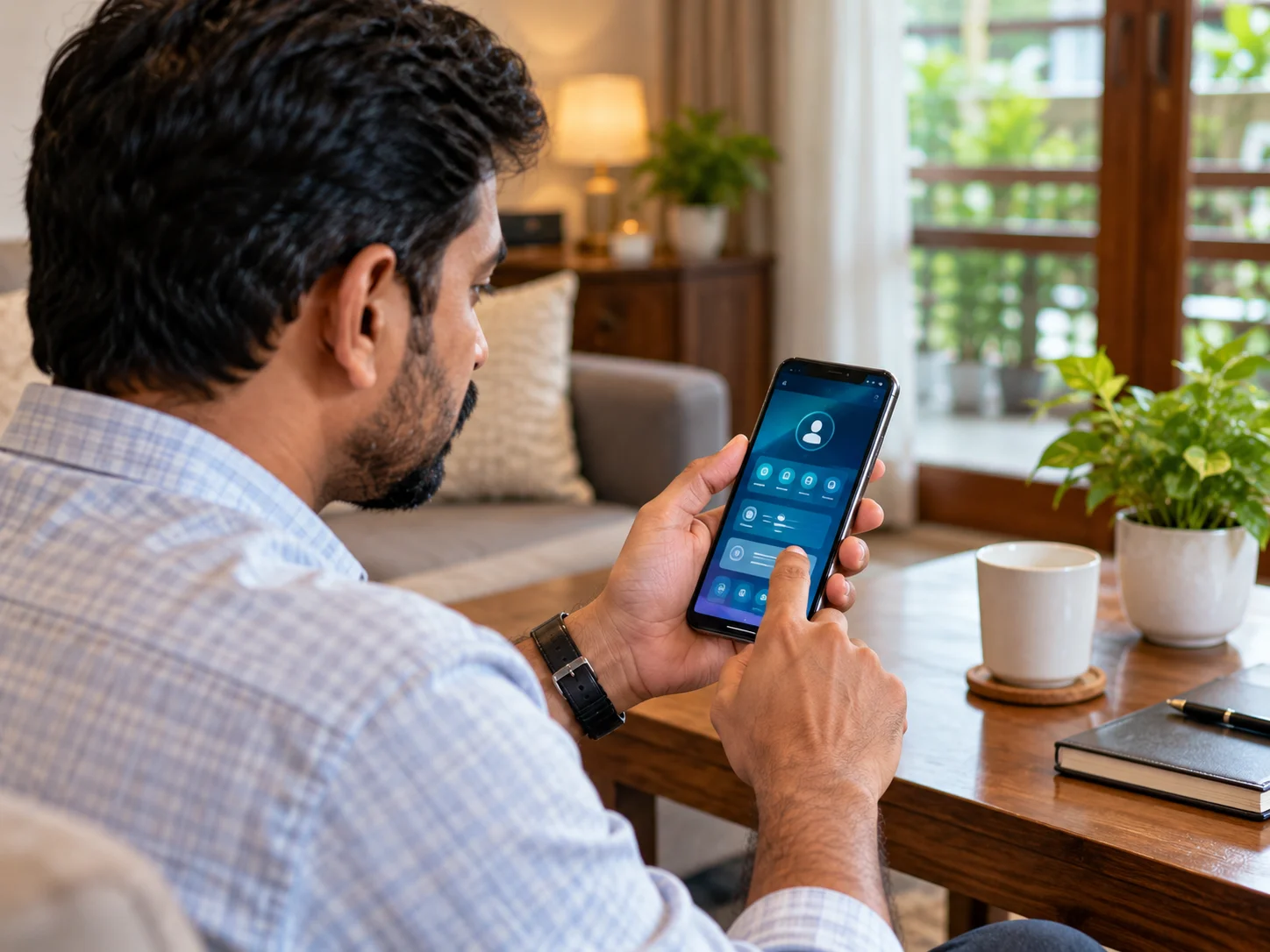
Digital Banking Safety: How to Protect Yourself from Online Financial Fraud 1. The Importance of Safe Digital Banking Digital banking enables customers to perform many financial activities using mobile phones, computers, banking applications, and online payment services. These facilities can make everyday transactions more convenient, reduce the need to travel for routine tasks, and help customers access financial services more efficiently. However, criminals may misuse digital communication and payment systems to deceive customers. Fraudsters can impersonate bank employees, create fake customer-care listings, send deceptive messages, or persuade people to reveal confidential information. Every customer should understand that digital safety depends not only on technology but also on careful decisions. A genuine-looking message, familiar logo, or confident telephone caller does not automatically establish that a request is legitimate. 2. Recognise Fake Bank Calls and Messages Fraudsters may contact customers while pretending to represent a bank, government department, payment service, or customer-support team. They may claim that an account will be blocked, a card will expire, a transaction must be verified, or an urgent problem requires immediate action. Such messages may create fear or pressure customers to act without checking the facts. Be cautious when someone: - Demands an OTP, PIN, password, or confidential banking information. - Requests remote access to your phone or computer. - Pressures you to transfer money to a different account. - Claims that an account will be blocked unless you act immediately. - Offers an unexpected refund or reward in exchange for completing a payment. - Asks you to install an unfamiliar application. Do not rely on the telephone number or link provided in a suspicious message. End the interaction and independently obtain the bank's contact details from a verified source, such as official bank documentation or its authenticated website. 3. Protect PINs, Passwords, and OTPs A personal identification number (PIN), password, and one-time password (OTP) are important security credentials. Customers should never disclose these details to an unknown caller or person claiming to be a bank employee. An OTP may be used to authenticate a transaction, access an account, or authorise a change. Read the message carefully and understand what the OTP is intended to approve before entering it. Use strong, unique passwords where passwords are required. Avoid easily guessed combinations based on birthdays, telephone numbers, or other publicly available information. Do not reuse the same password across important accounts. Never store confidential banking credentials in an openly accessible note or share them through messaging applications. If you suspect that your credentials have been exposed, contact the relevant bank or service provider through verified channels and follow its official security procedures. 4. Use UPI Payments Carefully Unified Payments Interface (UPI) allows customers to make digital payments between participating bank accounts using supported applications. Before authorising a payment, verify the recipient's name or displayed identity, the payment amount, and the transaction details. Be particularly cautious when paying an unfamiliar person or responding to a request for an unexpected transfer. An important safety principle is that you generally do not need to enter your UPI PIN merely to receive money. A request to enter a PIN should be examined carefully because entering it normally authorises a payment or another specified action, depending on the transaction. Do not approve a payment request simply because someone says it is necessary to receive a refund, prize, or transfer. If a transaction request is unexpected, cancel it and independently verify the reason. After making a payment, review the transaction status and retain the reference number or confirmation. If money is debited unexpectedly or a transaction appears suspicious, contact the bank or payment service promptly. 5. Avoid Suspicious Links and Applications Fraudulent messages may contain links that resemble legitimate bank websites or payment services. These links may lead to imitation websites designed to collect account details, passwords, card information, or OTPs. Avoid opening unexpected links received through SMS, email, or messaging applications. If you need to access a banking service, open the bank's authenticated application or enter its verified official website address yourself. Install applications from trusted official sources and check the publisher before installation. Do not install an application at the request of an unknown caller who claims to be providing technical assistance, processing a refund, or verifying an account. Be especially careful with applications that request unnecessary accessibility permissions, screen-sharing access, or control over your device. These permissions may allow another person to view information or interact with the phone. Keep your phone's operating system, applications, and security updates current. Remove applications you no longer need and review the permissions granted to those that remain installed. 6. Secure Your Phone and Banking Applications Your mobile phone may contain banking applications, transaction notifications, personal documents, and access to financial accounts. Protecting the device is therefore an important part of financial safety. Use a secure screen lock and avoid sharing the device with unknown individuals. Enable available security features and keep applications updated. Avoid conducting sensitive transactions on unfamiliar or untrusted devices. Do not leave banking applications open when the device is unattended. Be cautious when using public networks for sensitive financial activity, particularly if the network cannot be verified. Review account alerts and transaction messages regularly. If your phone is lost, your SIM card is compromised, or you suspect unauthorised access, contact the relevant service providers and bank promptly using verified contact details. 7. Protect Older Adults and Less Experienced Users Older adults and people who are less familiar with digital services may be targeted through urgent calls, fake support messages, and convincing instructions. Families can help by explaining common warning signs in simple language. Encourage relatives to pause before responding to unexpected requests, verify the caller independently, and discuss suspicious messages with a trusted person. No one should feel pressured to share an OTP or transfer money because a caller claims to be an official, police officer, bank employee, or technical expert. Fraudsters may use fear, authority, or urgency to prevent victims from checking the facts. Keep emergency contact information and official bank contact details accessible. Family members can assist with digital safety while respecting the account holder's privacy and ensuring that confidential credentials are not shared unnecessarily. 8. What to Do After Suspected Financial Fraud If you suspect that money has been stolen or a fraudulent transaction has occurred, act promptly. First, contact your bank or payment service. Use verified official contact details to report the transaction and ask about immediate protective measures. Follow the institution's instructions for securing the account or payment method. Second, report financial cyber fraud through official Indian channels. The Government of India's National Cyber Crime Reporting Portal provides online reporting at www.cybercrime.gov.in. For suspected financial cyber fraud, the national helpline 1930 is available for immediate reporting assistance. Cyber Crime Investigation Cell +1 Third, preserve evidence. Keep transaction reference numbers, dates, amounts, messages, telephone numbers, suspicious links, screenshots, and any complaint acknowledgement. Do not delete potentially relevant evidence. Fourth, follow up. Record the complaint reference and follow the instructions provided by the bank and the appropriate authorities. Reporting quickly may help the relevant agencies and financial institutions take action, but recovery of money is not guaranteed. Do not pay an unknown person who promises to recover the stolen money for an advance fee. Such promises may be another attempt to defraud the victim. 9. Report Through Verified Official Channels Customers should independently verify the correct reporting channel rather than following links supplied by an unknown caller. For financial cyber fraud in India: - National Cyber Crime Reporting Portal: www.cybercrime.gov.in - National financial cyber fraud helpline: 1930. Cyber Crime Investigation Cell +1 Provide accurate information about the incident and retain the acknowledgement or complaint reference. The relevant authorities will determine the appropriate action under applicable procedures. Customers should also notify the bank through its verified official channels, especially when their bank account, card, UPI facility, or other banking service may be affected. 10. Build Safer Digital Banking Habits Digital banking is safer when customers follow a consistent routine: 1. Verify recipients and amounts before approving payments. 2. Never share confidential credentials or OTPs with unknown people. 3. Use official banking applications and verified websites. 4. Avoid suspicious links and unverified application installations. 5. Review transaction alerts and account activity. 6. Keep devices updated and protected by a secure screen lock. 7. Report suspected fraud immediately through verified channels. 8. Educate family members about common fraud tactics. Conclusion Digital banking can make everyday financial activities more convenient, but customers must remain alert to deception and unauthorised transactions. Protecting credentials, checking payment details, avoiding suspicious applications, and reporting suspected fraud promptly are important steps towards safer banking. Customers who suspect a banking-related fraud should contact their bank through verified channels and use the official Indian cybercrime reporting services where appropriate. Information about specific banking security procedures should be obtained directly from the relevant institution. PLD Bank Honnavar encourages customers to remain informed, verify unexpected requests independently, and handle financial information carefully. A few consistent safety habits can help individuals and families reduce their exposure to digital financial fraud.